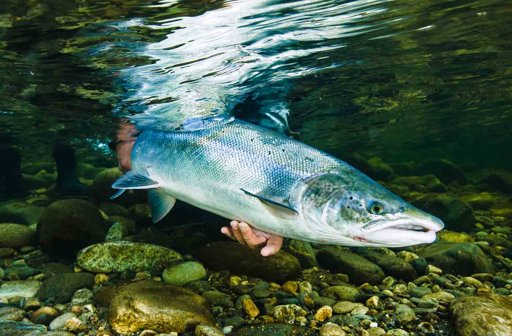
Deep inside La Riera Cave in Asturias, northern Spain, archaeologists found something remarkable: ancient bones of Atlantic salmon (Salmo salar)…

The Harbin cranium, also called “Dragon Man,” is a very old human fossil from northeastern China. Scientists believe it is…
 Waseem Akbar K
Oct 12
Waseem Akbar K
Oct 12
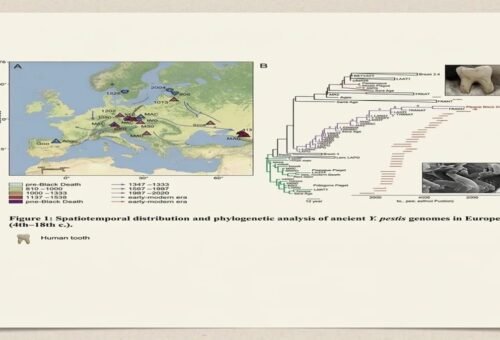
The Black Death was not just one disease outbreak. It was part of a long history of plague that continued…
Waseem Akbar K
Sep 30

An old religious book may seem like a strange place to find evidence of a virus. But scientists have discovered…
Waseem Akbar K
Sep 25

A new ancient DNA study is changing how we understand one of history’s most feared diseases. Instead of disappearing after…
Waseem Akbar K
Sep 20

In September 2026, scientists made a surprising discovery: deadly virus DNA was hidden inside the pages of famous medieval manuscripts.…
Waseem Akbar K
Sep 17

A new Yale led study has shown that even highly degraded DNA can still show major evolutionary secrets. By using…
Waseem Akbar K
Aug 27

Dogs may be our closest animal companions, but their beginning was far removed from modern homes, collars, and food bowls.…
Waseem Akbar K
Aug 26
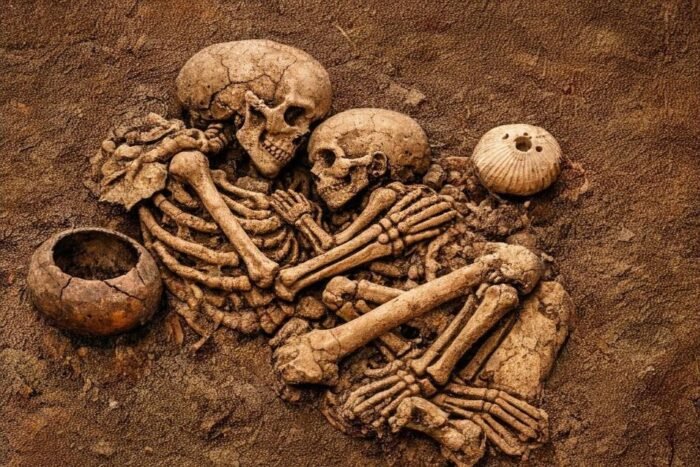
In 1963, archaeologists digging in a cave in southern Italy uncovered something extraordinary: two skeletons locked in an embrace, buried…
Waseem Akbar K
Aug 19