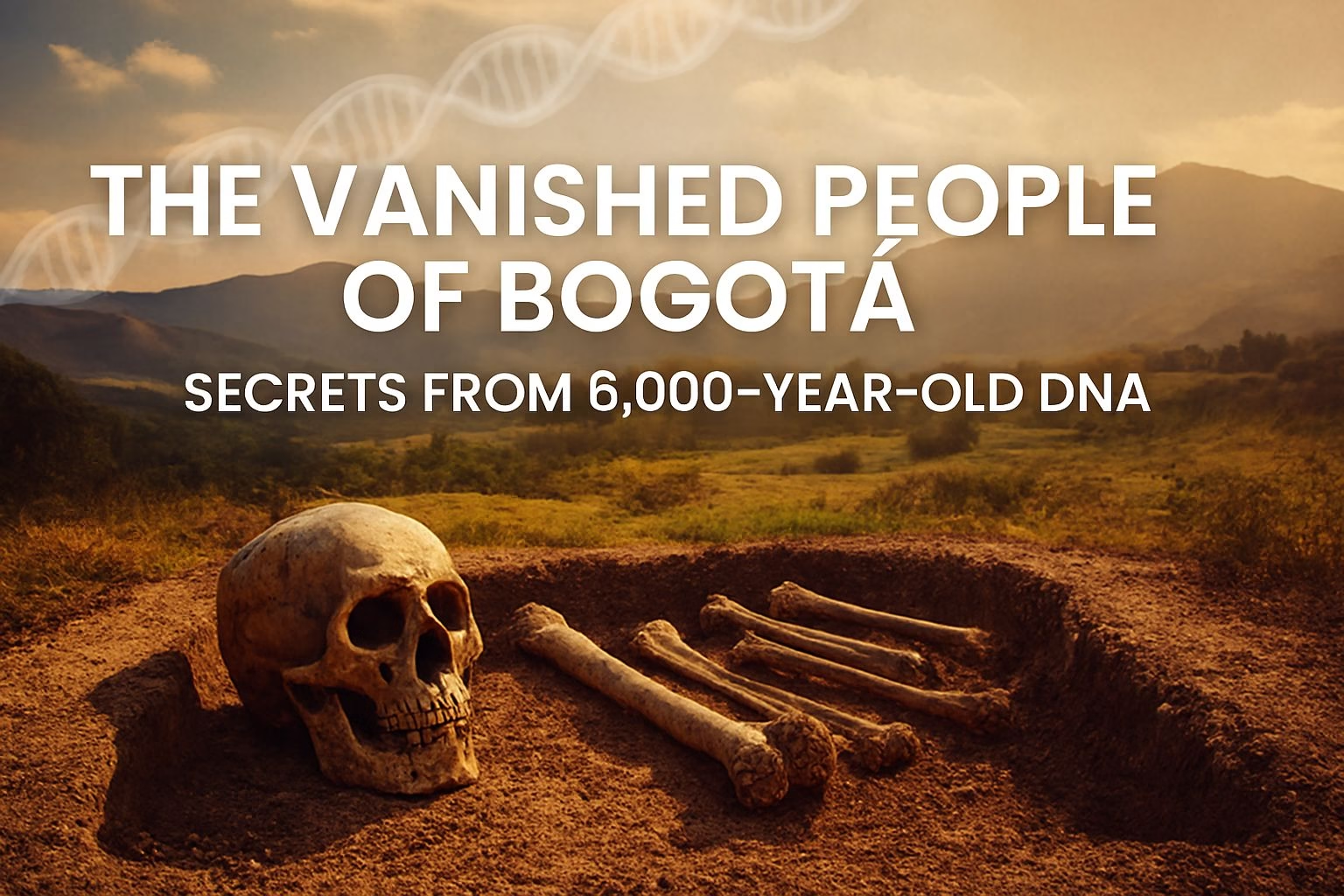
A new study has uncovered a lost group of ancient humans near Bogotá, Colombia. Scientists looked at old bones and found their DNA tells a surprising story. This “ghost lineage” lived 6,000 years ago but left no family behind in today’s people. It’s a big find that changes what we know about early humans in South America.
The bones come from Checua, a site on the high plains near Bogotá. This area is about 8,500 feet above sea level and was a key path for people moving south from Central America long ago. Researchers tested DNA from 21 sets of remains, some as old as 6,000 years. In Colombia’s hot, wet climate, saving ancient DNA is hard, so this is a real win for science.
The Checua people’s DNA is different from everyone else we know. They were hunter-gatherers who stayed alone for thousands of years, from 6,000 to about 2,000 years ago. Then, something happened they vanished. New groups from Central America took over, bringing different genes linked to languages like Chibchan. No trace of the old group remains.
Why did they disappear? Experts think it could be from new people moving in with better farming skills, or tough weather changes that hurt their food supply. The high plains were tough to live on as hunters. This full change in people is rare in South America, where many groups stayed the same over time.
This discovery shows early South America had more groups than we thought. It fills a gap in maps of human travel. Colombia, as a bridge between continents, now has a key piece of its past. The study came out in Science Advances and helps us see the wild history of how humans spread out.
References: Krettek et al. (2025), Science Advances; CNN (Jun 11, 2025); NDTV (Jun 11, 2025)