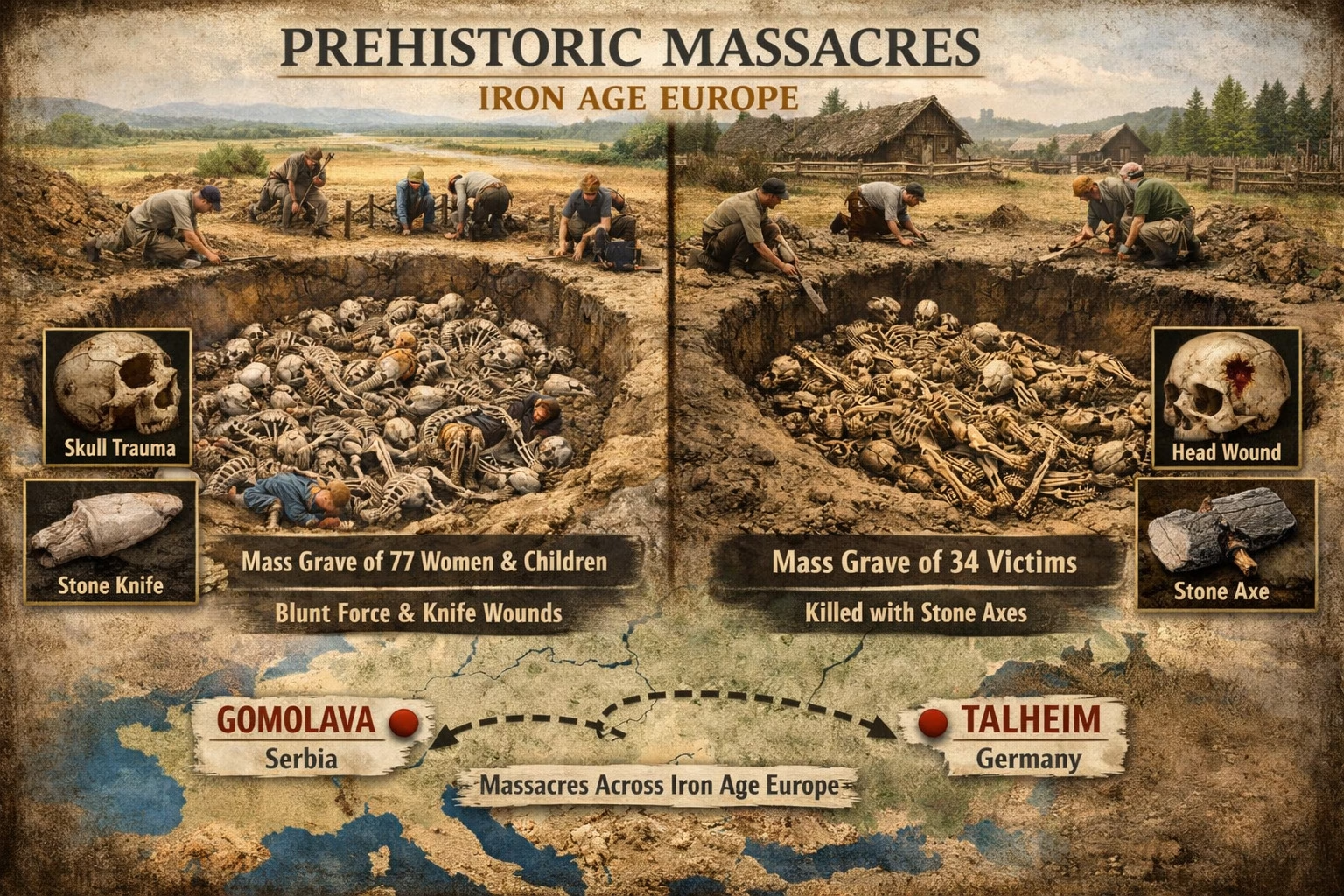
Imagine a quiet prehistoric village in what is now Serbia, around 800 BCE. Life revolves around farming, herding, and fragile alliances between communities. Then, violence erupts not in battle against warriors, but a targeted slaughter of the vulnerable: women and children. Archaeologists have just pieced together this grim tale from a mass grave, revealing a brutal power play that shocked even Iron Age standards.
The discovery comes from the site of Viminacium in eastern Serbia, where a team led by researchers from the University of Belgrade analyzed a grave containing over 20 individuals. Radiocarbon dating places the event at about 2,800 years ago, smack in the early Iron Age. What makes this find chilling? The victims were almost exclusively women and young children from at least three different communities, identified by subtle differences in their dental enamel and bone isotopes signs they came from varied local groups, perhaps 50-100 km apart.
This wasn’t random chaos from war. Forensic analysis shows signs of deliberate violence: blunt force trauma to skulls, cut marks from blades, and bodies hastily dumped without burial rites. No adult men among the dead, suggesting a raid aimed specifically at wiping out future generations and asserting dominance. Experts like Katarina Jeremić, who led the study, describe it as a “chilling display of power,” possibly a warning to neighboring groups: submit or face annihilation of your lineage.
Why target women and children? In Iron Age societies across Europe, these groups symbolized continuity mothers bore the next warriors and workers, children the tribe’s future. Such massacres could break an enemy’s spirit, preventing revenge cycles. Similar atrocities appear in other sites, like the Talheim Death Pit in Germany (5,000 years ago), but this Serbian grave stands out for its focus on non-combatants from multiple communities, hinting at coordinated terror.
The findings, published recently in the journal Antiquity challenge romantic views of prehistoric life as peaceful. DNA and isotope work continues, potentially linking victims to broader migrations or conflicts in the Balkans. It reminds us: even 28 centuries ago, humans wielded violence with calculated cruelty.