-
Ancient DNA Shows How Unequal Life Was in Eastern Zhou China
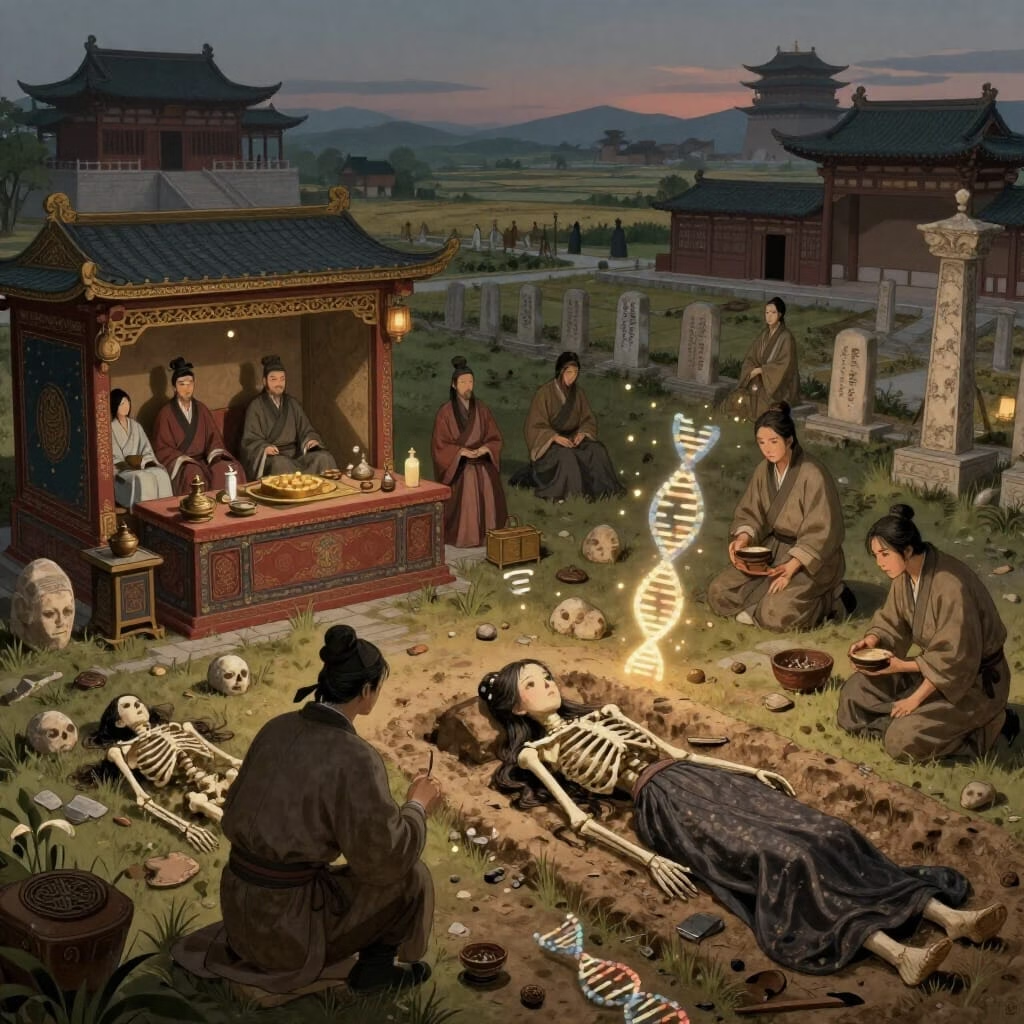
A new scientific study by ancient DNA has looked at skeletons from a 2,500 year old cemetery in China. The findings show how unequal life was during the Eastern Zhou period (771–221 BC), especially between rich and poor, and between men and women. Scientists used DNA, proteins, and chemical clues in bones and teeth to
-
Ancient DNA Reveals Complex Family Structures in a 3,500-Year Old Bronze Age Community
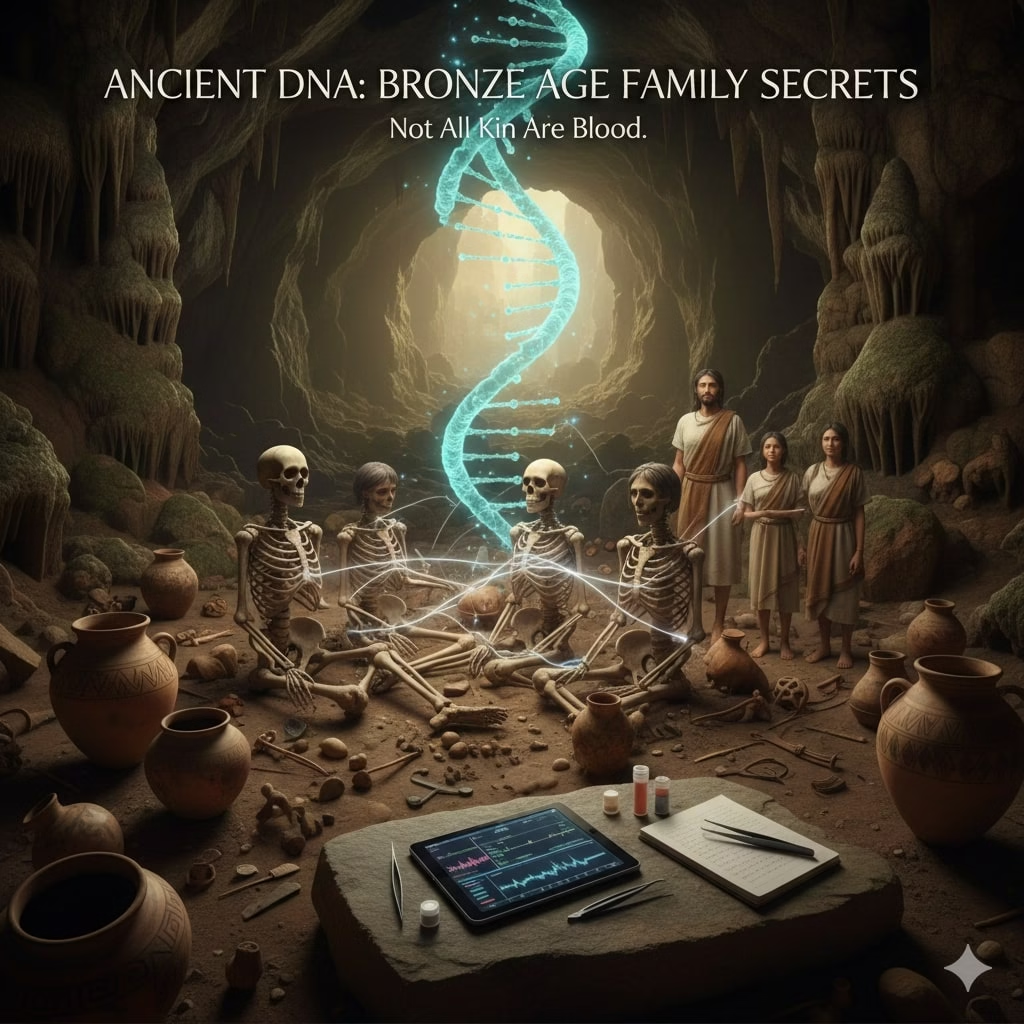
Recent research combining archaeology and genetics has uncovered surprising insights into the social lives of a Bronze Age community in northwestern Calabria, Italy. A study published in Nature Communications by scientists from the Max Planck Harvard Research Center for the Ancient Mediterranean and the University of Bologna has, for the first time, reconstructed
Search
Recent Posts
- Ancient DNA Pushes Syphilis Lineage Back 5,500 Years: Oldest Genome from Colombia Rewrites History

- Ancient DNA Uncovers 2500-Year HHV-6 History

- What Ancient DNA Tells us about the Russian conquest of Yakutia

- How Ancient DNA Links Pacific Islanders and Their Pigs

- Ancient DNA Shows How Unequal Life Was in Eastern Zhou China
