-
Greenland’s sediment DNA

The Kap København Formation in northern Greenland is a basic site for the study of ancient DNA (aDNA). In 2022, a study found the recovery of 2-million-year-old DNA from these sediments, making it the oldest DNA ever sequenced. This discovery has provided unmatched insights into the ecosystems of the early Pleistocene, a time when Greenland’s…
-
Archaic Hominin Admixture
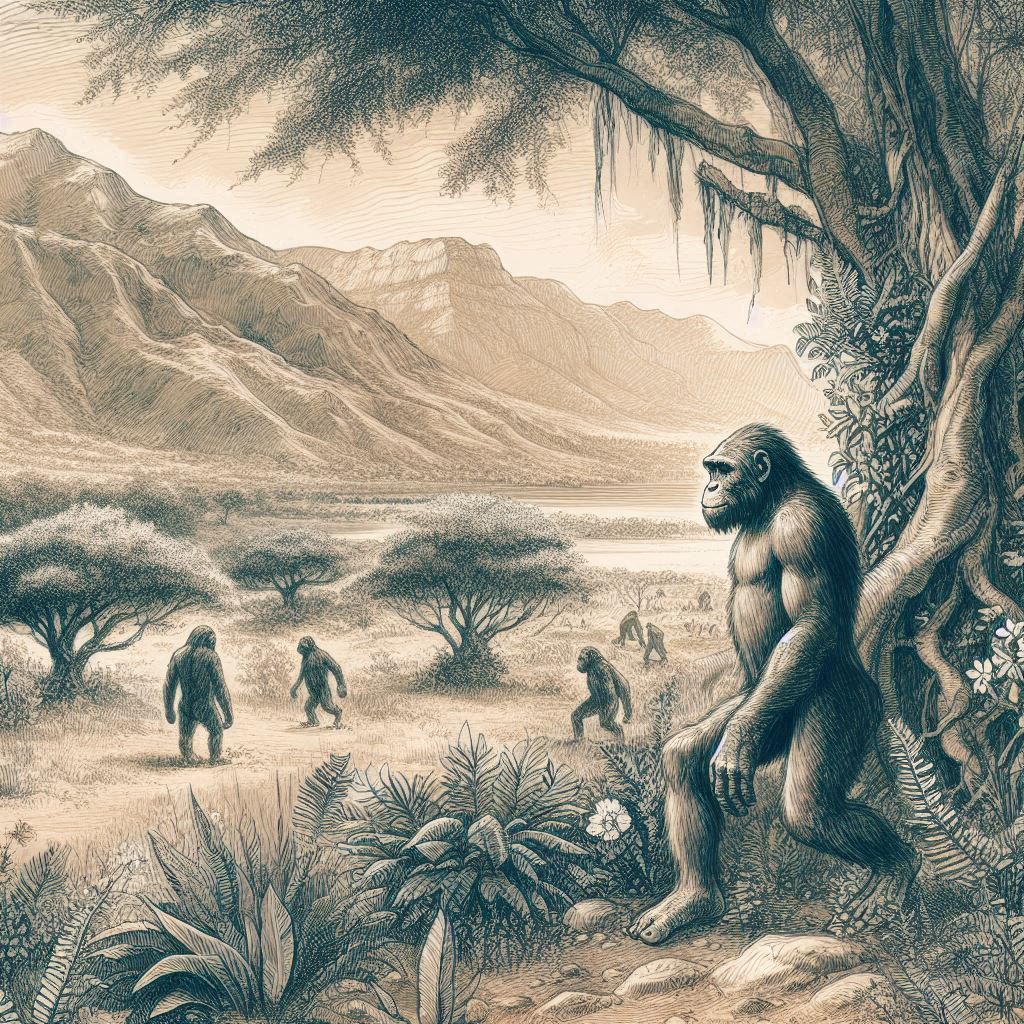
Archaic Hominin Admixture: Paleogenomic studies have found that modern humans interbred with Neanderthals and Denisovans, and that some of us carry DNA from these archaic hominins. Among the discoveries of Paleogenomics, is the evidence of interbreeding between modern humans and archaic hominins like Neanderthals and Denisovans. These are extinct human relatives who lived alongside or before early…
-
Genes of ancients
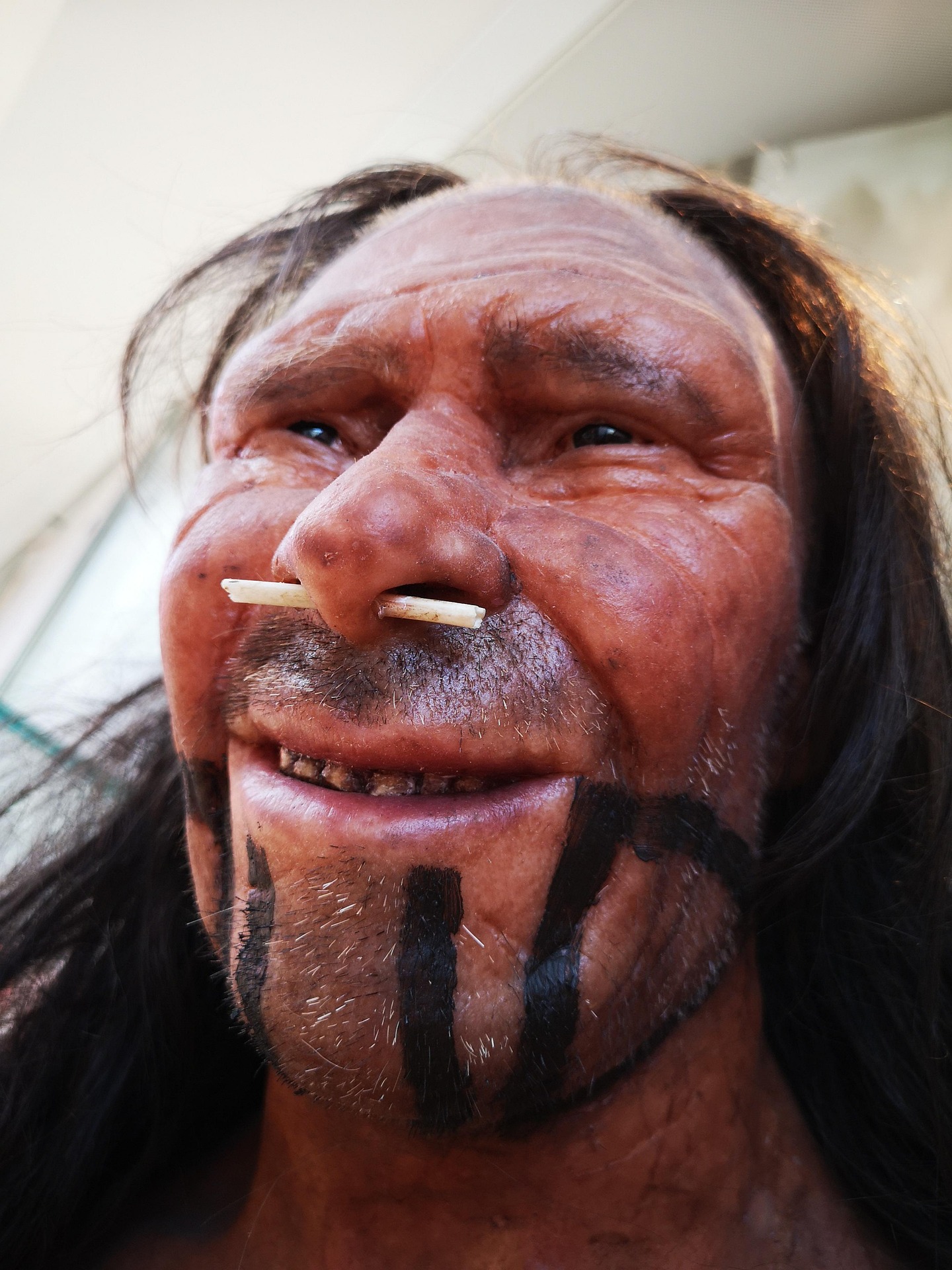
Genes of ancients: aDNA helps reconstruct the genomes of extinct species like Neanderthals and Denisovans. By comparing their DNA with modern humans, scientists can determine how closely related we are and identify genes that make us uniquely human. Tracking genetic changes over time: aDNA reveals how genes have changed and evolved in response to environmental…
-
aDNA vs Modern

Ancient DNA (aDNA) and modern DNA differ in many aspects due to the degradation processes that aDNA undergoes over time. We can compare on the bases of Integrity, modern DNA, Typically, well-preserved and intact, existing as long, continuous strands. Ancient DNA, Highly fragmented due to chemical and physical degradation (e.g., exposure to oxygen, water, temperature…
-
Computational evolution
Computational evolution is a interesting field that uses computational methods to study and simulate evolutionary processes. It draws inspiration from biological evolution, employing concepts like natural selection, mutation, recombination, and genetic drift to solve problems and understand complex systems. Evolutionary Algorithms: These are a family of algorithms inspired by biological evolution, used for optimization and…
-
Paleogenomics
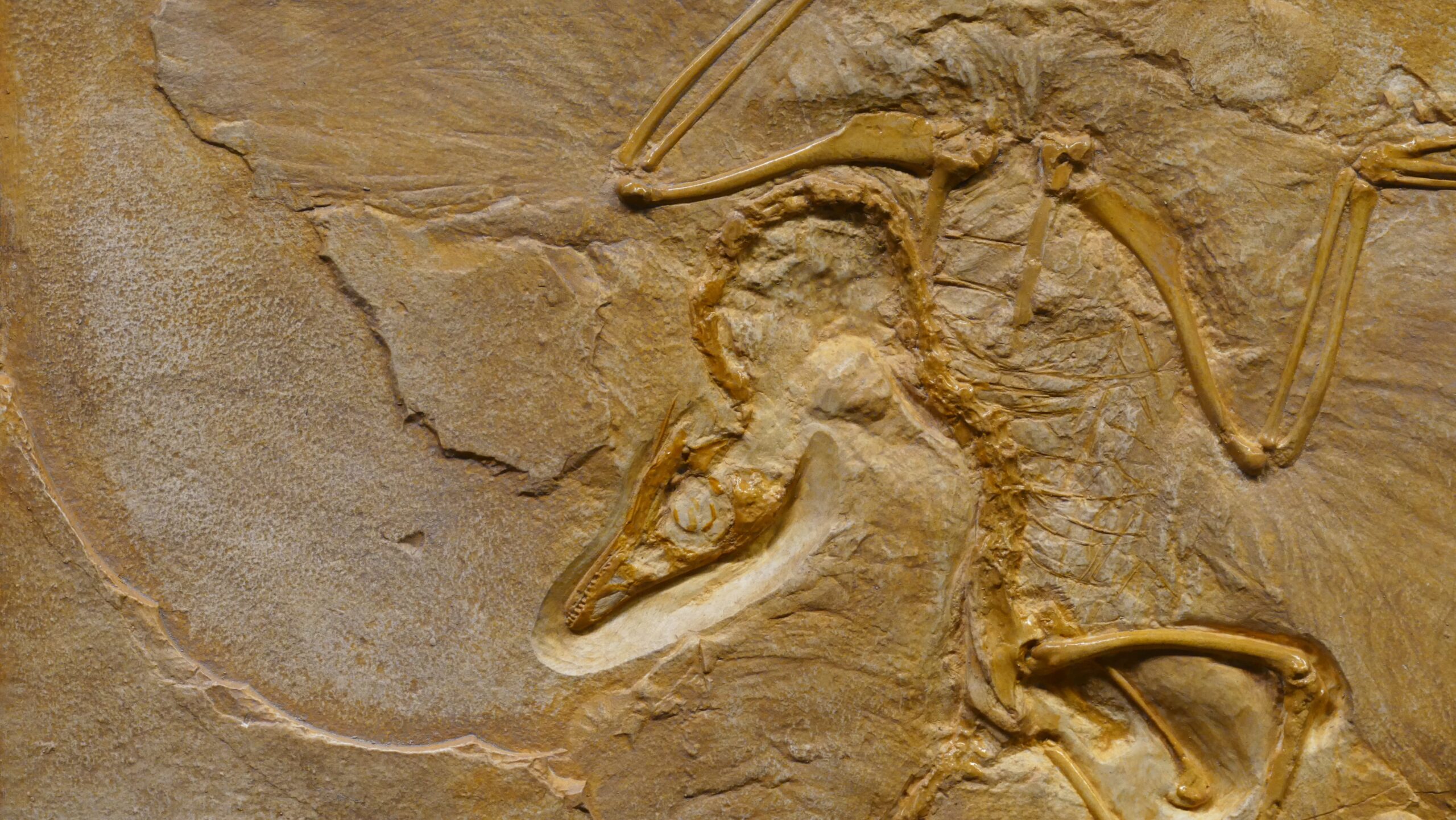
Paleogenomics is a interesting field that combines the study of ancient DNA with genomics. It allows scientists to investigate into the past and learn about the evolution, migrations, and adaptations of extinct species, including our own ancestors. Ancient DNA (aDNA) is DNA extracted from ancient remains like bones, teeth, hair, and mummified tissues. The preservation…
Search
Recent Posts
- Ancient DNA Reveals the Truth Behind the Medici Death Mystery

- Ancient DNA on Cave Walls Is Rewriting What We Know About Prehistoric Art

- When Rome Fell, Something New Emerged: Ancient DNA Rewrites the Story of Post-Roman Pannonia

- How Ancient DNA Shows Mobility and Identity on Peru’s Coa
- How Genetics Prove Ties to Ancient Paleo-Balkans
