-
Ancient DNA Rewrites European Prehistory: A Tale of Ice Age Diversity
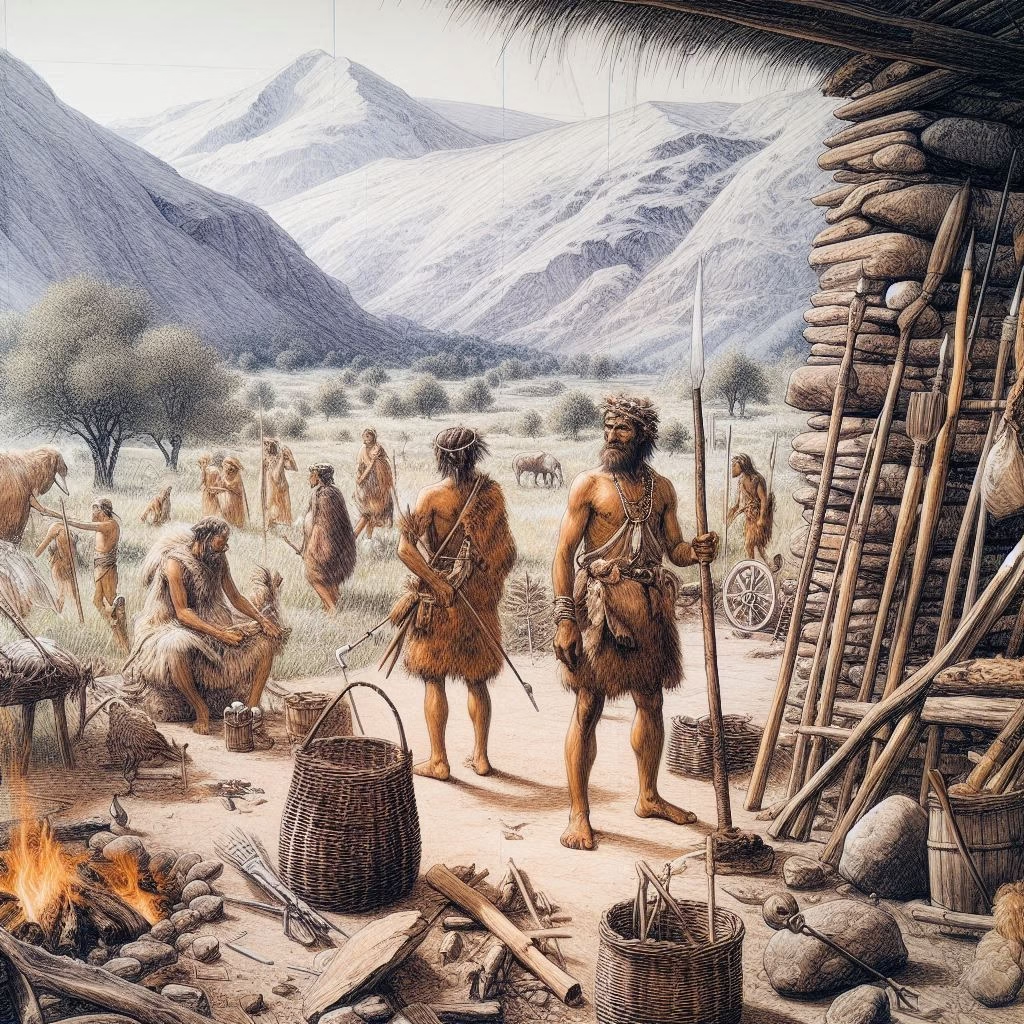
Europe during the Ice Age a frozen, icy land where tough hunter-gatherers lived and survived in extreme conditions. For years, experts thought these ancient people all shared a similar culture. But now, due to amazing advances in ancient DNA research, we’ve learned the truth is much more complex and interesting than we ever thought.…
-
Why Ancient DNA is funny?
Why Ancient DNA is funny? One of the funniest (or most ironic) things about ancient DNA is how fragile and but surprisingly tough it can be at the same time. It Survives Against All Odds: Ancient DNA can survive for thousands or millions of years in unexpected places—like frozen soil, caves, or even…
-
Fossil Footprints in New Mexico Reveal What May Be the Oldest Known Handcarts

In an exciting discovery, researchers found fossil footprints in New Mexico that might be from the oldest handcarts ever known. These ancient tracks, preserved in stone, give us details about how early humans used simple tools to move things around. The Discovery The footprints were found in White Sands National Park, New Mexico, a place…
-
Ancient Rome’s Crabs: A Story Written in DNA and Evolution
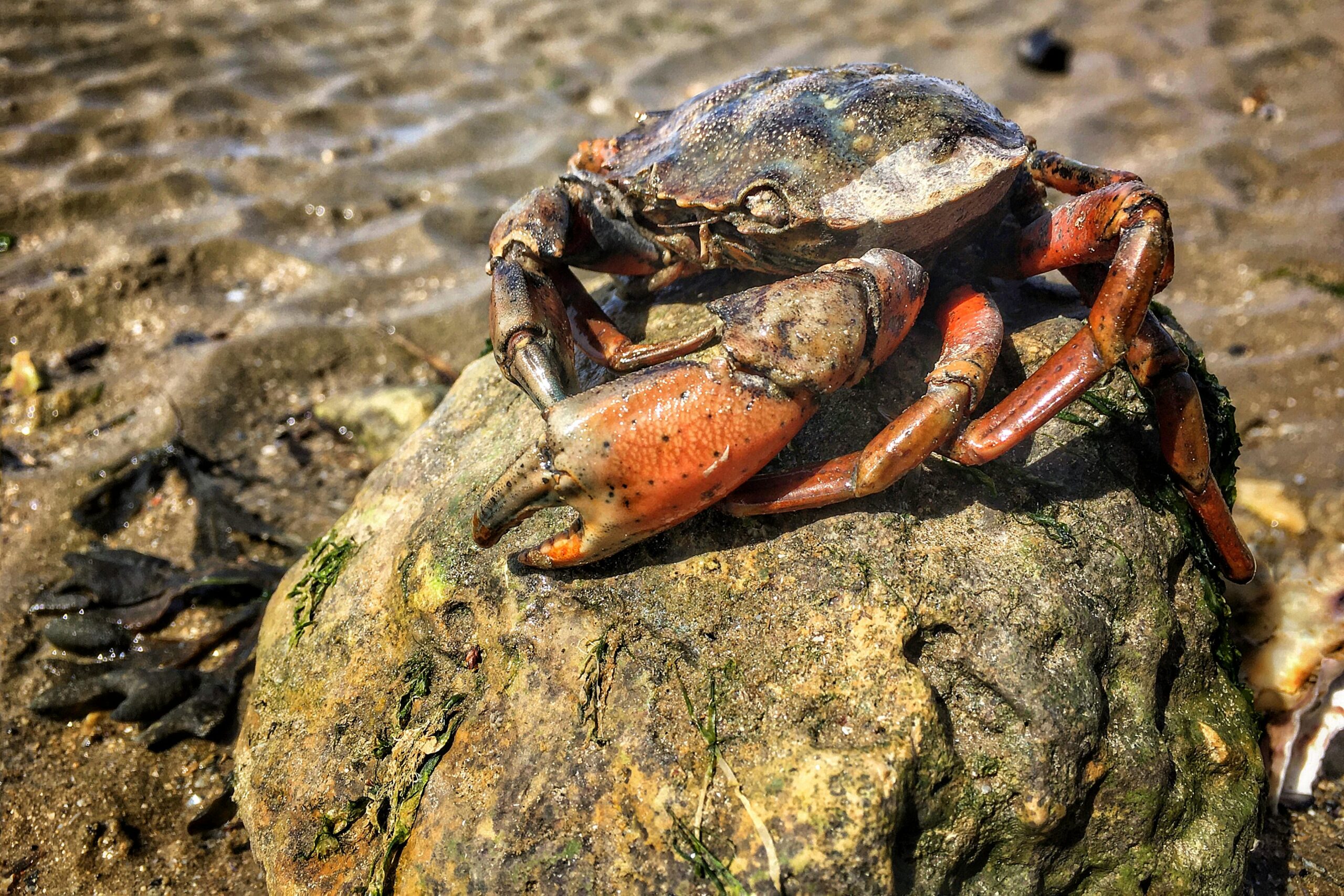
Rome’s ancient ruins are not just about human history they are also home to Italy’s only native freshwater crabs. These small crabs, called Potamon fluviatile, have lived in Rome’s waterways for thousands of years, surviving alongside emperors, gladiators, and today’s tourists. What’s truly interesting about them is not just how long they have been…
-
The DNA secrets Hidden in Americas Most iconic Tree
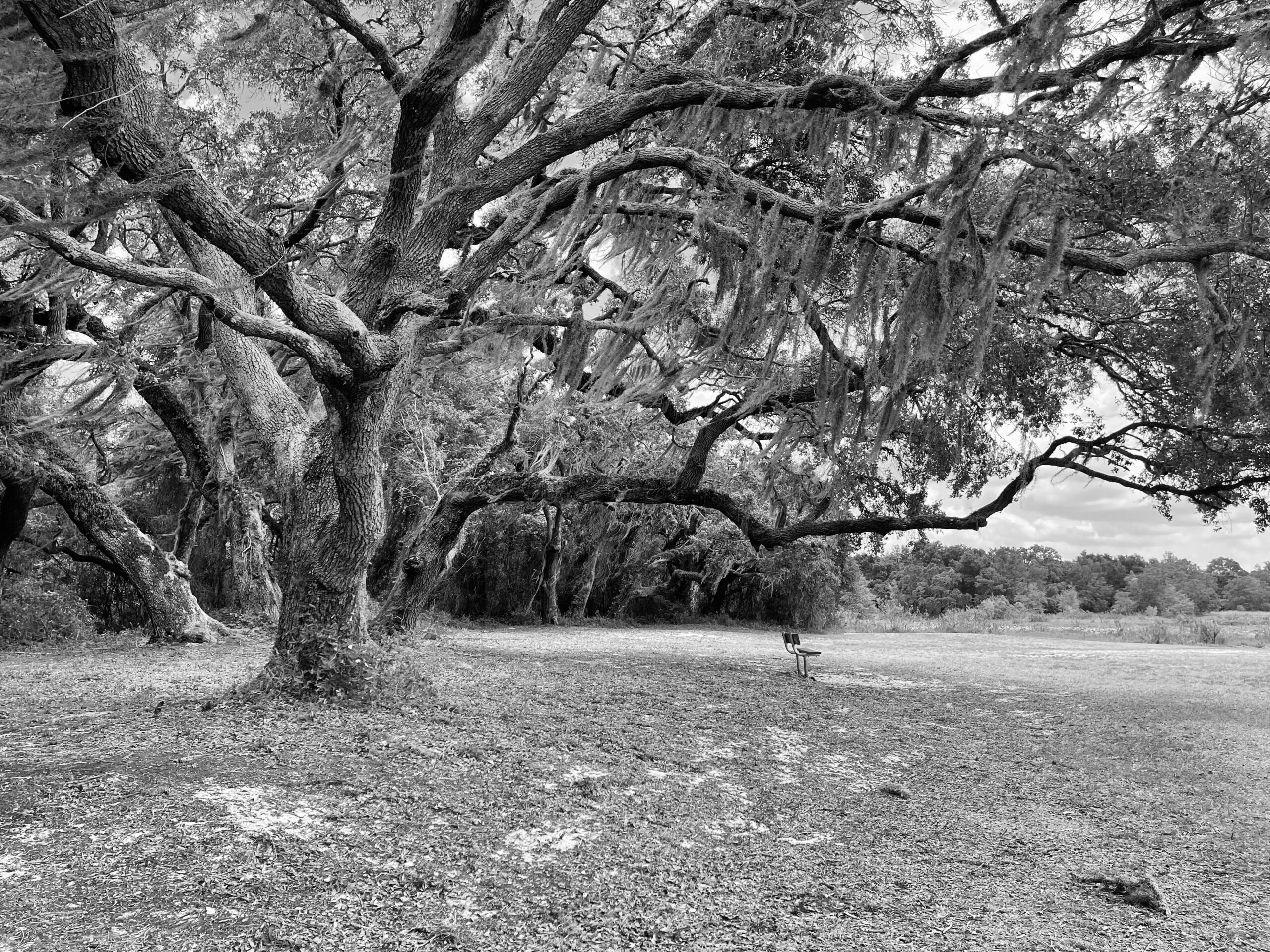
What Did Scientists Study? The focus of this research was the white oak (Quercus alba), a species native to North America and a symbol of strength, longevity, and ecological importance. Scientists sequenced its genome, which consists of over 1.5 billion base pairs, making it one of the most complex plant genomes ever decoded. What…
-
Ancient DNA reveals the Huns’ Lost Origins
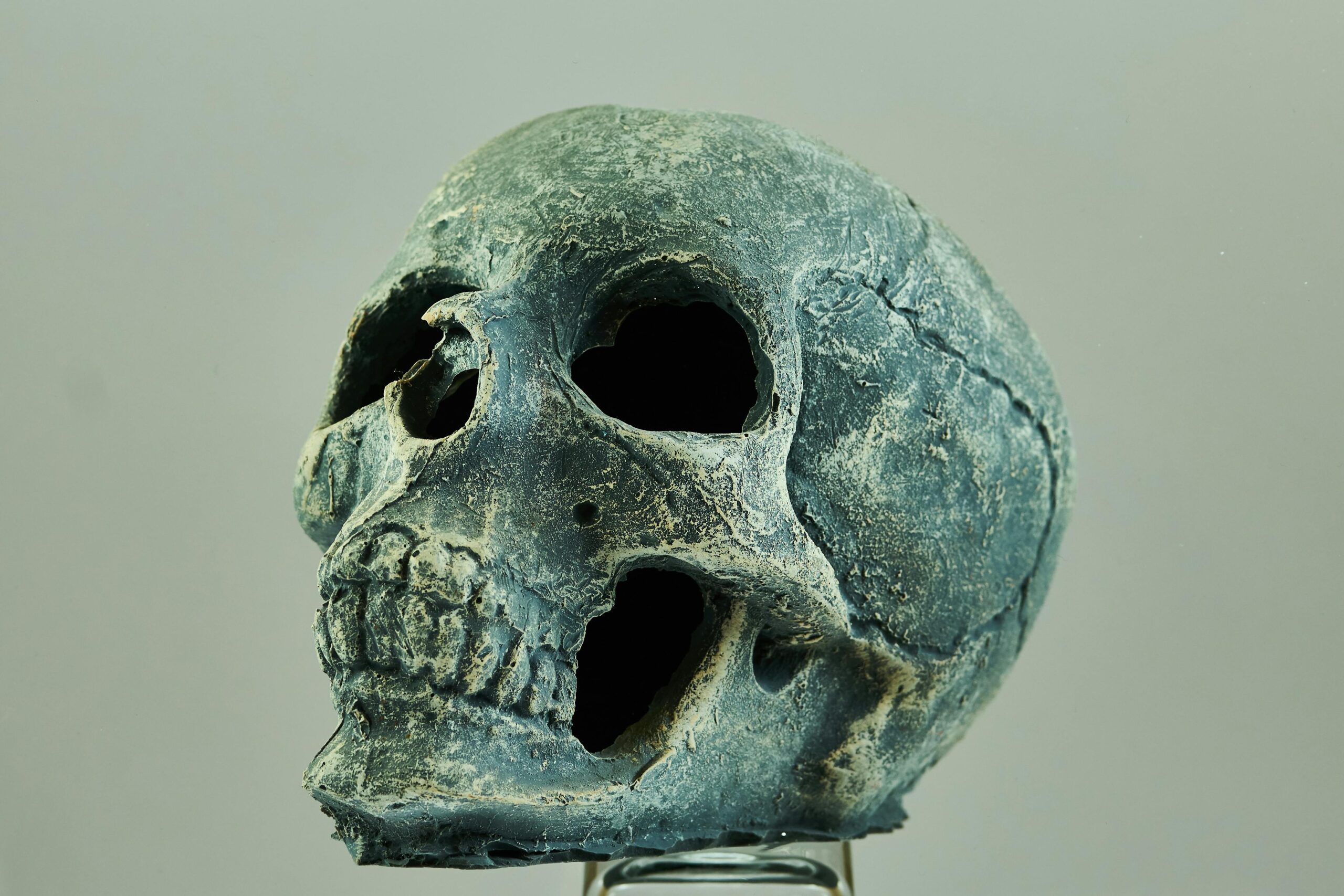
(Decoding the Huns by ancient DNA) For centuries, the Huns have been covered in mystery. These wild and extreme warriors, who marched into Europe in the 4th and 5th centuries, The Huns, known for violence, were thought to be from the Xiongnu Empire. Empire of Central Asia. The idea was that the Huns were descendants…
-
Intertwined sheep and humans over millennia
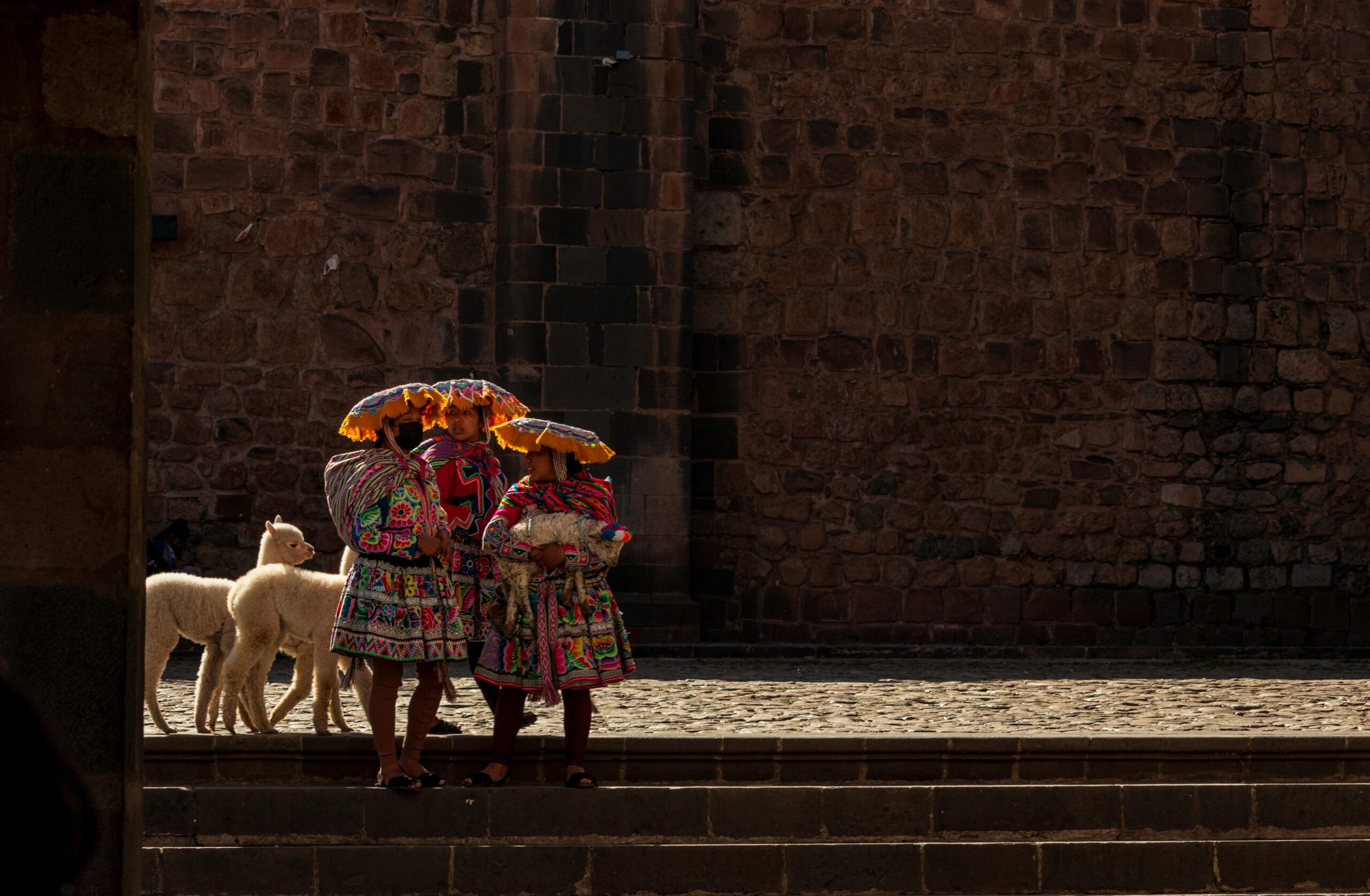
Coevolution of sheep and humans over millennia(10,000 years old period). By studying ancient DNA, we have found that sheep and humans have been co-evolved. Biology of sheep has an important role in shaping the human civilization. It has helped explain, the human history, culture and survival. Different international research teams from different academic backgrounds including…
-
Who owns ancient DNA?
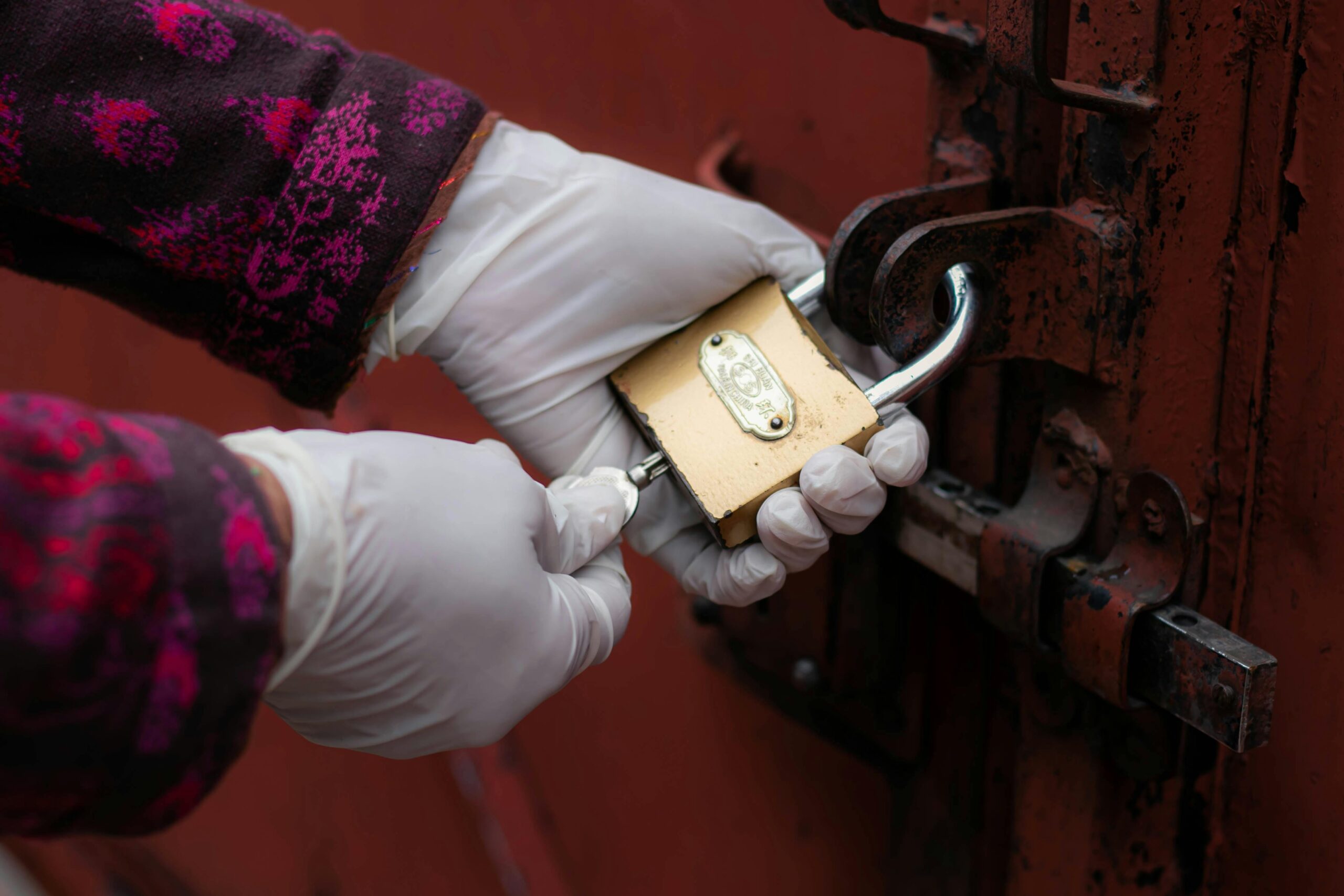
Owning ancient DNA is not just a scientific or legal issue. it is all about identity, heritage, and justice. Researchers and institutions often argue that ancient DNA is a scientific resource that belongs to humanity as a whole. Many Indigenous and descendant communities argue that they have a moral and cultural right to control the use…
-
Greenland’s sediment DNA

The Kap København Formation in northern Greenland is a basic site for the study of ancient DNA (aDNA). In 2022, a study found the recovery of 2-million-year-old DNA from these sediments, making it the oldest DNA ever sequenced. This discovery has provided unmatched insights into the ecosystems of the early Pleistocene, a time when Greenland’s…
-
Archaic Hominin Admixture
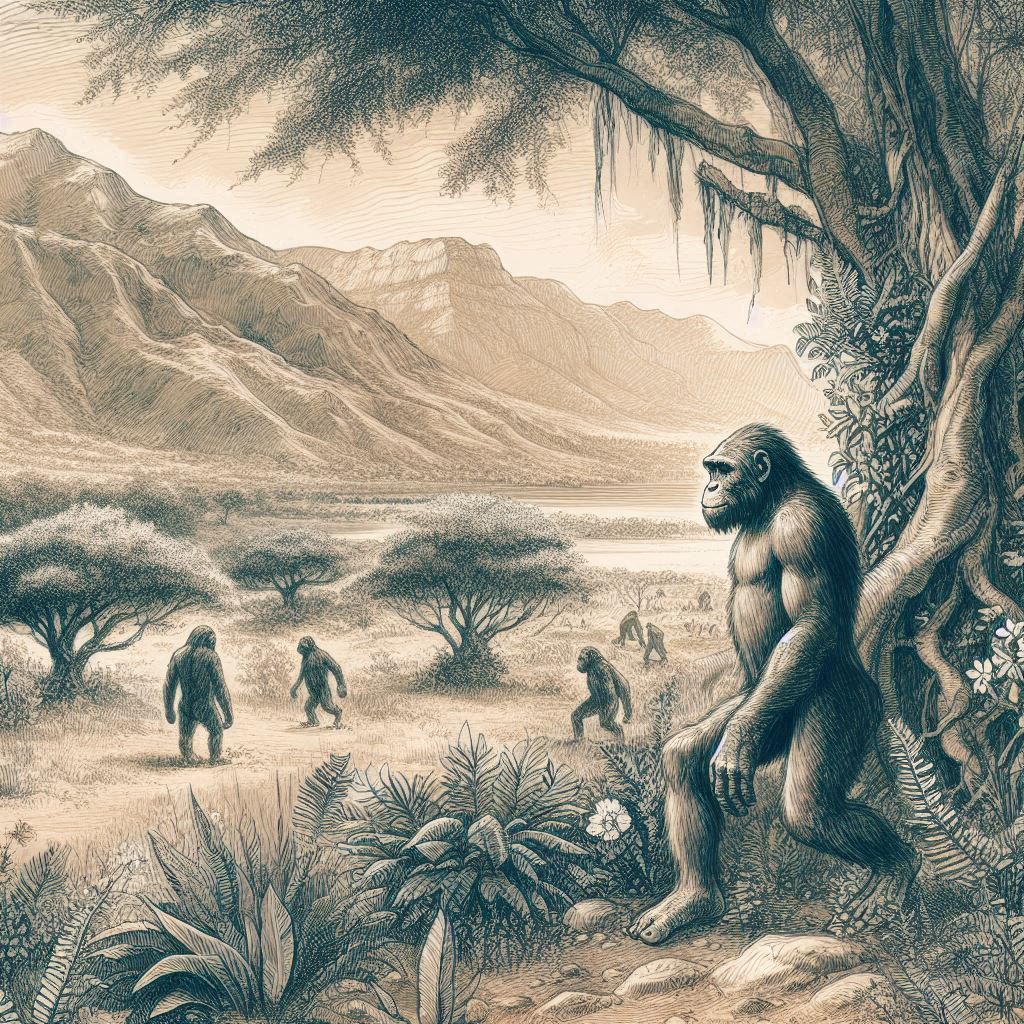
Archaic Hominin Admixture: Paleogenomic studies have found that modern humans interbred with Neanderthals and Denisovans, and that some of us carry DNA from these archaic hominins. Among the discoveries of Paleogenomics, is the evidence of interbreeding between modern humans and archaic hominins like Neanderthals and Denisovans. These are extinct human relatives who lived alongside or before early…