-
Ancient DNA Reveals the Truth Behind the Medici Death Mystery
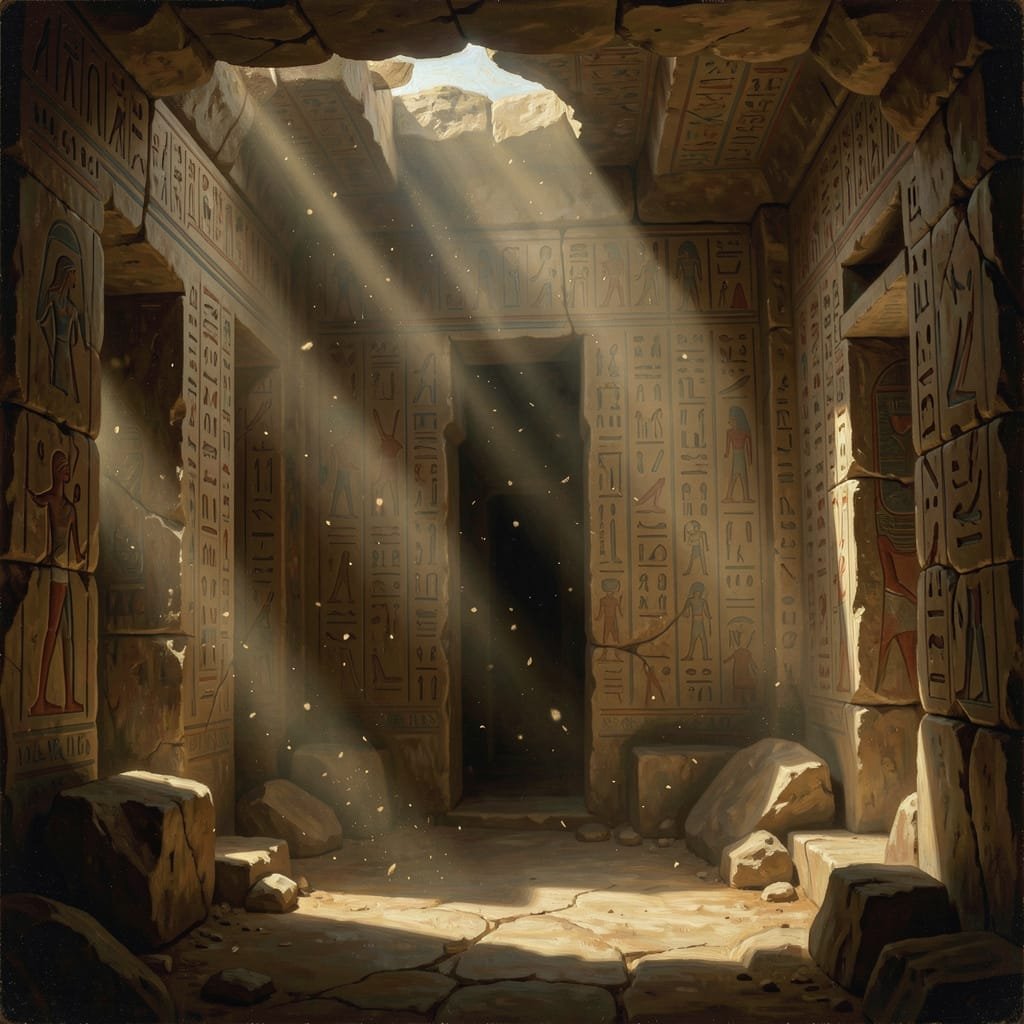
For more than 400 years, the sudden death of Francesco I de’ Medici, one of Renaissance Italy’s most powerful rulers, has fueled speculation, rumors, and outright conspiracy. Was he poisoned by a jealous brother? Was his wife, Bianca Cappello, also murdered? Or was there a more ordinary explanation behind one of history’s most famous family…
-
When Rome Fell, Something New Emerged: Ancient DNA Rewrites the Story of Post-Roman Pannonia

This image has been created using Microsoft copilot When the Western Roman Empire collapsed, historians have long told us a simple story. Barbarian invasions swept through Europe, destroying Roman civilization and replacing its people with something entirely new. But a groundbreaking ancient DNA study published in Science in June 2026 is challenging that entire narrative,…
-
How Ancient DNA Shows Mobility and Identity on Peru’s Coa
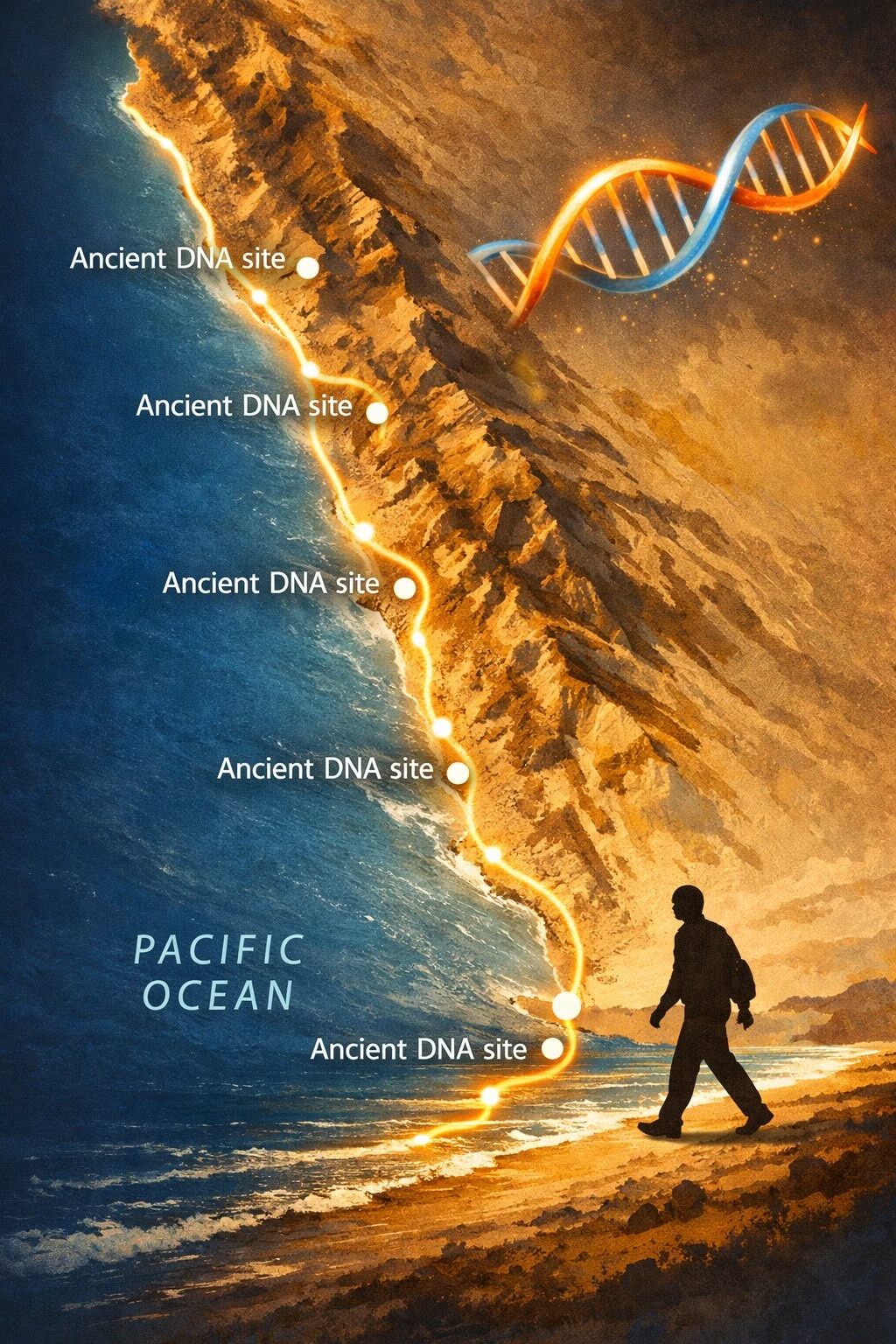
New research using ancient DNA is changing what we know about life on Peru’s coast long before the Inca Empire. Scientists studied DNA from human remains found at several coastal sites, and they combined these data with radiocarbon dating and chemical analysis of teeth and bones to learn how people moved and lived. The results…
-
How Genetics Prove Ties to Ancient Paleo-Balkans

( Image credited : This image has been created using perplexity AI as a suggestive visual) Unlocking the Ancient Roots of the Albanian People: What DNA Reveals Have you ever wondered where the Albanian people come from? Their history is a bit of a mystery. They don’t show up in old records until around the…
-
What Ancient DNA Tells us about the Russian conquest of Yakutia

Imagine living in one of the coldest places on Earth northeastern Siberia, where winter temperatures plunge below -50°C (-58°F). The Yakut people, also known as Sakha, have called this frozen landscape home for centuries. They left behind a rich archaeological record of their lives. But in 1632, Russian explorers arrived, bringing cereals for farming, deadly…
-
Beyond the Mediterranean Diet: The Ancient Villabruna Genes Linking DNA to Long Life ife
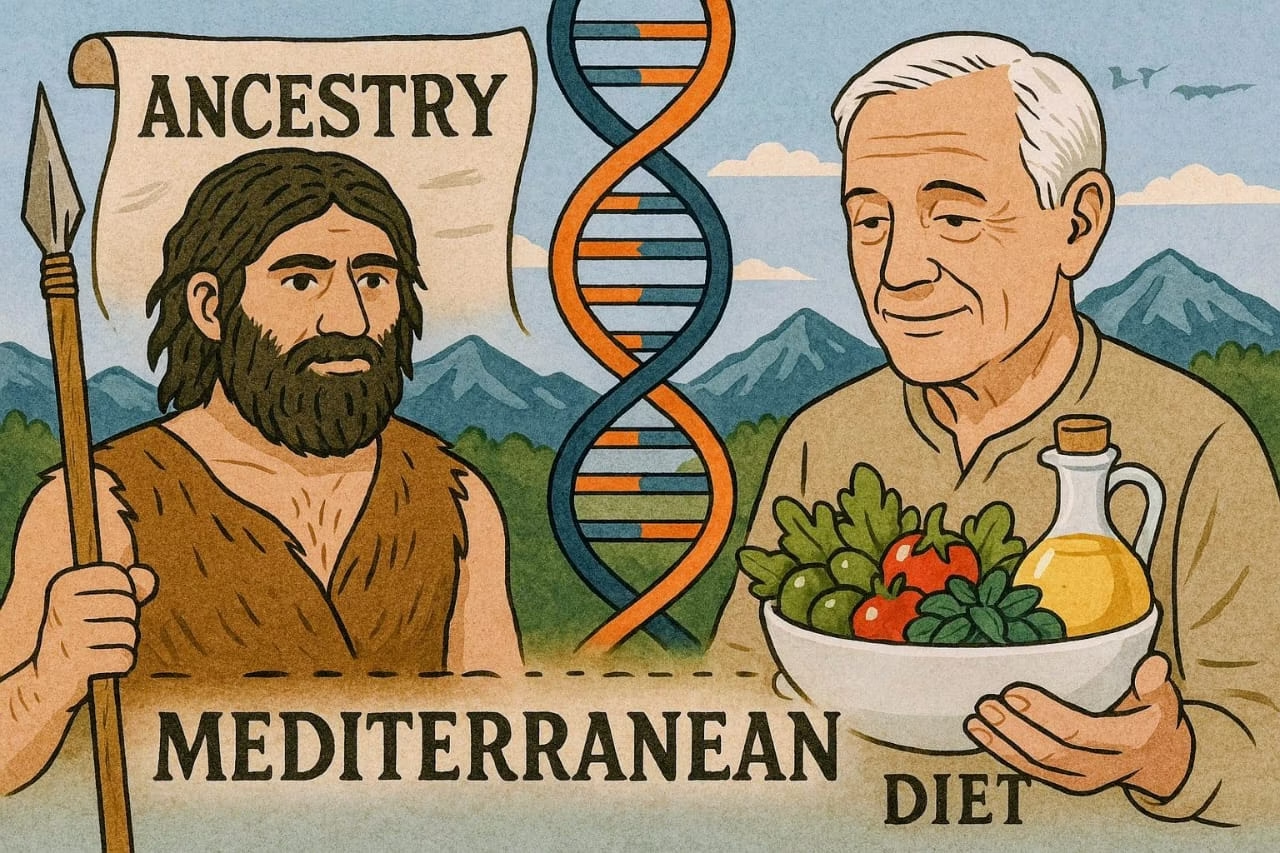
For a long time, everyone thought the “Mediterranean Diet” (healthy food like olive oil and fish) was the only reason Italians lived so long. But in December 2025, scientists found a new secret. It turns out that living to 100 isn’t just about the food on the plate—it’s hidden in their DNA. This…
-
Ancient DNA Confirms Picuris Pueblo’s Direct Ancestry to Chaco Canyon

For centuries, the Picuris Pueblo people of northern New Mexico have preserved oral histories linking them to the great Ancestral Puebloan civilization of Chaco Canyon (circa 850–1250 CE). Now, peer-reviewed genetic research published in Nature Communications (2023) confirms what their traditions have always asserted: a direct ancestral connection to Chaco’s ancient inhabitants. This deep study represents a paradigm shift in Southwestern archaeology, demonstrating…
Search
Recent Posts
- Ancient DNA Reveals the Truth Behind the Medici Death Mystery

- Ancient DNA on Cave Walls Is Rewriting What We Know About Prehistoric Art

- When Rome Fell, Something New Emerged: Ancient DNA Rewrites the Story of Post-Roman Pannonia

- How Ancient DNA Shows Mobility and Identity on Peru’s Coa
- How Genetics Prove Ties to Ancient Paleo-Balkans
